Grounded in Calm
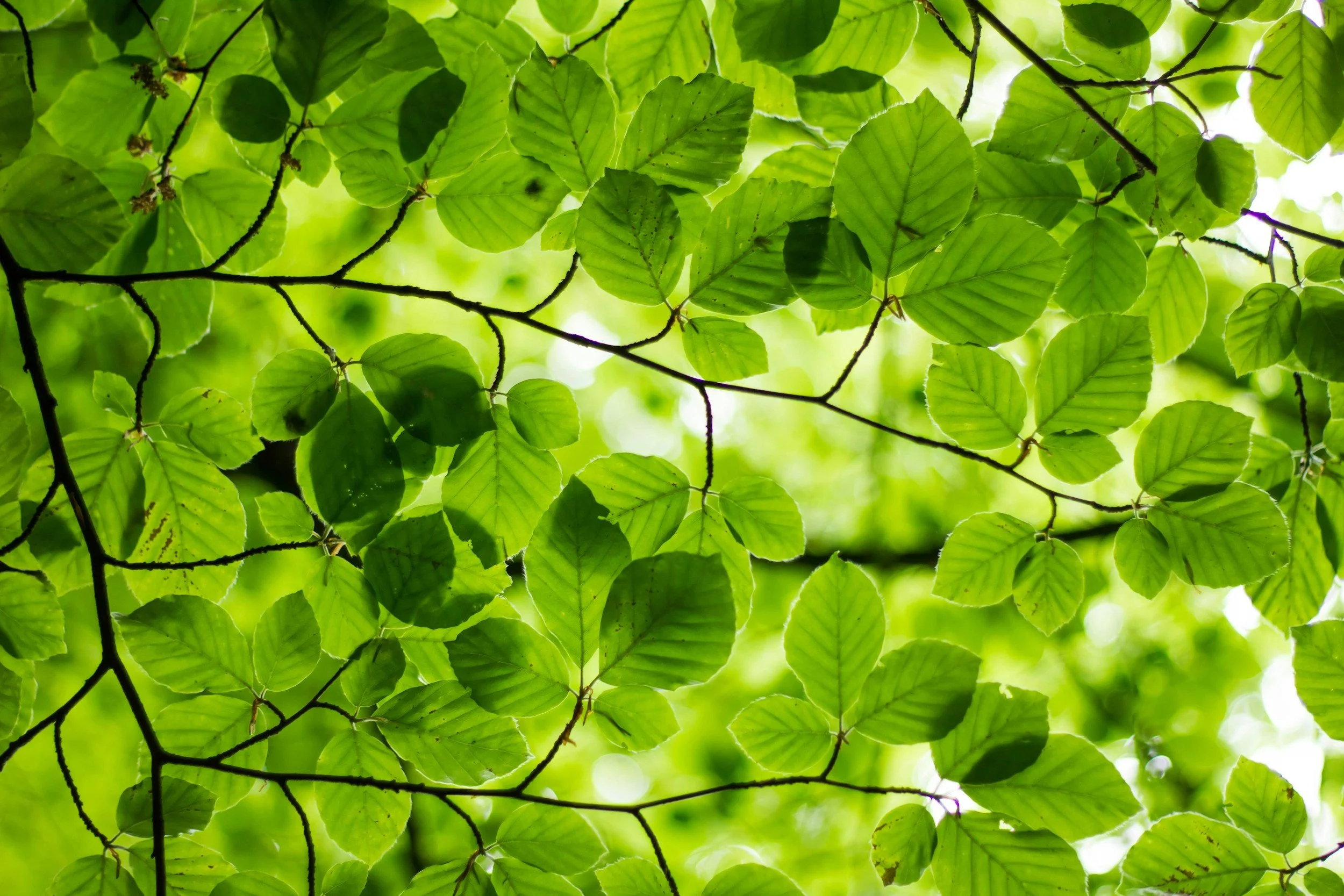
A gentle experience inviting you to reconnect with nature and discover a deeper sense of calm and inner balance.
Breathe. Ground. Restore.
Ready to ground?
Press play below.
Background music by Roman Dudchyk
Forest Bathing: The Science of Finding Calm Among the Trees
Discover how forests, our senses, and the natural compounds released by trees may support relaxation, emotional well-being, and the body's natural response to stress.
Imagine stepping into a beautiful forest. Sunlight filters gently through the canopy of leaves overhead. The earth feels soft beneath your feet. You hear birds singing in the distance, leaves rustling in the breeze, and perhaps the gentle movement of water nearby.
As you breathe in, you notice the rich, earthy fragrance of the forest. Your pace naturally slows. Your attention settles into the present moment.
There is something wonderfully restorative about spending time among trees. And increasingly, scientific research is helping us understand why.
What Is Forest Bathing?
Forest bathing, known in Japan as Shinrin-yoku, is the practice of immersing yourself in the atmosphere of a forest through your senses.
The term was introduced in Japan in 1982 as part of an effort to encourage people to spend time in natural environments for relaxation and well-being.
Despite its name, forest bathing involves no water. Instead, it is an invitation to experience the forest fully and mindfully.
You might notice the colors and textures of the trees, listen to birdsong, feel a gentle breeze against your skin, or breathe in the distinctive fragrance of the woodland.
The intention is simply to be present, allowing the natural environment to engage your senses and encourage a quieter, more relaxed state of awareness.
Forest Bathing and the Nervous System
Our autonomic nervous system continuously helps regulate important bodily functions, including breathing, heart rate, digestion, and responses to stress.
Its sympathetic branch helps mobilize the body for action, while its parasympathetic branch supports restoration, digestion, and recovery. Both systems are essential, working together to help us respond appropriately to the world around us.
Research suggests that spending time in natural environments may encourage physiological changes associated with relaxation, including shifts in autonomic nervous system activity. Some studies have observed lower heart rates, reduced blood pressure, and changes in cortisol, a hormone involved in the body's stress response. The findings vary among studies, but they suggest that natural environments may offer a supportive setting for stress regulation.
The experience of slowing down, breathing comfortably, and gently engaging the senses may help create favorable conditions for the body's restorative processes.
The Connection Between Nature, Attention, and Emotional Well-Being
The benefits of forest bathing may also involve the way natural environments engage our attention.
Much of everyday life requires focused concentration. We process information, make decisions, solve problems, and respond to countless demands on our attention. Natural settings often invite a different kind of awareness. The movement of leaves, the changing patterns of sunlight, and the gentle sounds of wildlife can hold our attention effortlessly.
Researchers sometimes describe this experience as soft fascination, a concept associated with Attention Restoration Theory. Rather than demanding intense concentration, nature offers opportunities for attention to settle and recover.
A systematic review and meta-analysis published in 2023, examining 36 studies involving more than 3,500 participants, found that forest bathing was associated with reductions in symptoms of anxiety and depression.
While forest bathing is a complementary wellness practice rather than a replacement for medical or mental health treatment, these findings support the idea that time in nature can be a meaningful part of caring for our emotional well-being.
Bringing the Forest Into Your Everyday Life
One of the beautiful things about forest bathing is its simplicity. A quiet walk through a wooded park, sitting beneath a favorite tree, or spending a few moments observing the natural world can provide opportunities to reconnect with your senses:
You might begin by noticing the feeling of the ground supporting you. Allow your breathing to find a comfortable, natural rhythm.
Observe the colors, shapes, and movement of the leaves around you.
Listen to the sounds of nature.
Notice the fragrance of the air and the gentle sensation of sunlight or a breeze against your skin.
Give yourself permission to experience these moments with curiosity and appreciation.
And when visiting a forest is less convenient, guided imagery offers another way to engage with the sensory qualities of nature.
Grounded in Calm: A Guided Journey Through the Forest
Our guided self-hypnosis experience, Grounded in Calm, was created to invite you into a beautiful, peaceful forest through the power of your imagination.
As you follow a gentle woodland path, you are invited to imagine, sense, and feel the magnificent trees, the soft earth beneath your feet, the fresh forest air, and the comforting presence of the natural world.
Through soothing imagery, gentle breathing, and positive suggestions, this experience encourages a growing sense of steadiness, balance, and inner calm.
It is an opportunity to reconnect with the peaceful qualities of nature, wherever you happen to be.
Breathe. Ground. Restore.
Educational note: This article is intended for general education and wellness. Forest bathing and guided self-hypnosis are complementary relaxation practices and are not substitutes for appropriate medical or mental health care.
Journey into a peaceful forest and find rest.
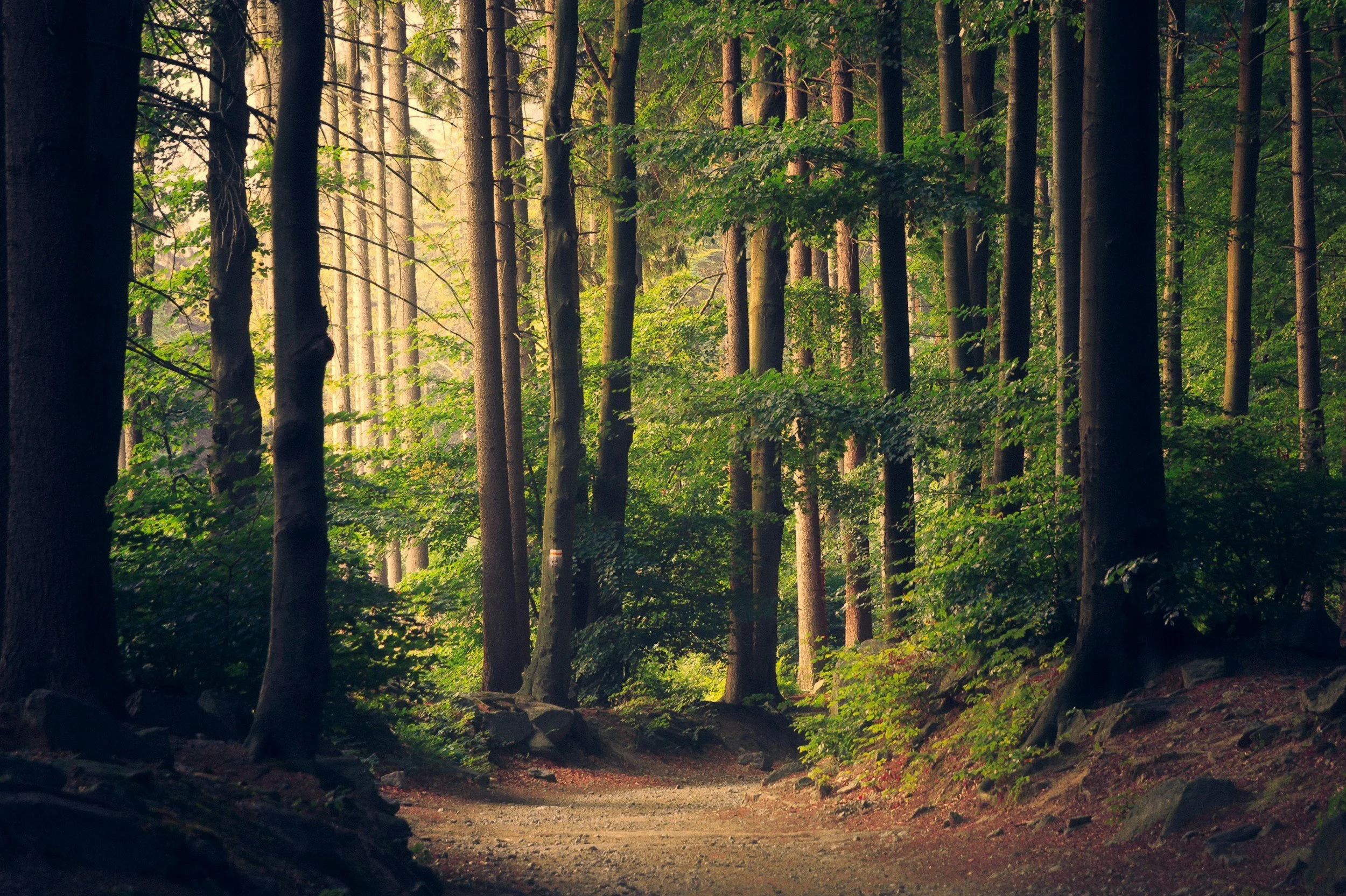
“May you move through life gently supported by the world around you.”
Katherine Long, CMS-CHt
Clinical Hypnotherapist | CHT OKC